



Few films in Bollywood have captured the pulse of a generation quite like Gully Boy. Released in 2019, this cinematic masterpiece isn’t just a film—it’s a cultural movement. Directed by Zoya Akhtar and starring Ranveer Singh and Alia Bhatt, Gully Boy gave voice to a new India—one that dares to dream beyond boundaries, speak up against inequality, and find rhythm in rebellion.
A Story That Hits Hard

Set in the heart of Mumbai, Gully Boy follows Murad, a young man from the slums who discovers his voice through rap. His world is limited by poverty and societal barriers, yet his passion for music becomes his escape. When he meets MC Sher, a confident street rapper, Murad’s journey transforms—one verse at a time.
What sets Gully Boy apart is its authenticity. It’s raw, emotional, and deeply relatable. Every frame speaks to the everyday struggles of millions of young Indians who dare to dream.
(For more such inspiring stories, explore our Top 5 Bollywood Movies that changed the face of Indian cinema.)
Bollywood Meets Hip-Hop
Before Gully Boy, hip-hop in India was underground—heard in small gigs and street corners. The movie gave it a national stage. Murad’s “Apna Time Aayega” became more than just a song—it became a symbol of resilience and ambition.
The film’s soundtrack, featuring real-life artists like Divine and Naezy, brought street rap to mainstream audiences. By blending Bollywood storytelling with the rawness of hip-hop, Gully Boy created a genre of its own—authentic, emotional, and socially conscious.
Breaking Barriers, Building Hope
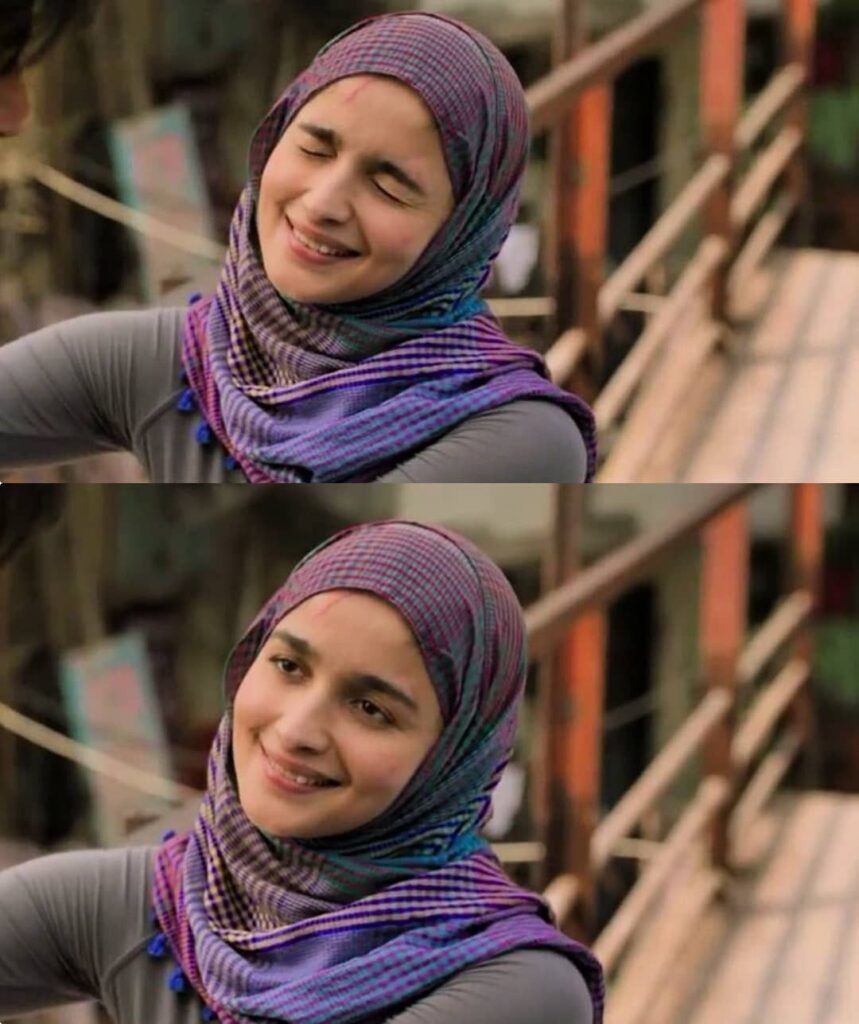
Beyond music, Gully Boy is about breaking the barriers that hold people back. Murad’s struggle represents anyone who has ever felt unheard or unseen. Alia Bhatt’s character, Safeena, adds another layer—challenging gender expectations and asserting individuality with fierce confidence.
The beauty of Gully Boy lies in its humanity. It’s not just about one man’s journey—it’s about a collective dream of the marginalized finding their voice in a world that often silences them.
A Global Conversation
Under Zoya Akhtar’s direction, Gully Boy became India’s official entry to the 92nd Academy Awards. It gained international acclaim for its storytelling, cinematography, and performances. Critics around the world praised how it balanced realism with cinematic brilliance.
The film’s success also opened doors for global collaborations in Indian hip-hop, proving that local stories can have universal appeal.
Why Gully Boy Still Inspires
Years after its release, Gully Boy continues to inspire millions. Its timeless message—“Apna Time Aayega”—reminds people that dreams have no class or boundary. Whether you’re an artist, a student, or someone fighting against the odds, the film resonates deeply.
If you’re yet to experience its magic, you can watch Gully Boy on Amazon Prime Video and see why it remains a milestone in Bollywood. To learn more about its production, awards, and impact, visit Gully Boy on Wikipedia for full details.
Also, explore more reviews and cultural breakdowns on SceneShifts — your destination for film insights, creative storytelling, and cinematic analysis.
Final Thoughts
Gully Boy is more than just a film; it’s an anthem for dreamers. It redefines success, challenges inequality, and amplifies voices from the margins. Murad’s story reminds us that even in silence, there’s music waiting to be heard—if you have the courage to sing it aloud.
In every way, Gully Boy proves that Bollywood can be both entertaining and empowering. It celebrates individuality, authenticity, and the power of art to change lives.
So, the next time you hear “Apna Time Aayega,” remember—it’s not just a catchy phrase. It’s a promise to every dreamer that their time will indeed come.